Resolving Problems with Electric Kettles
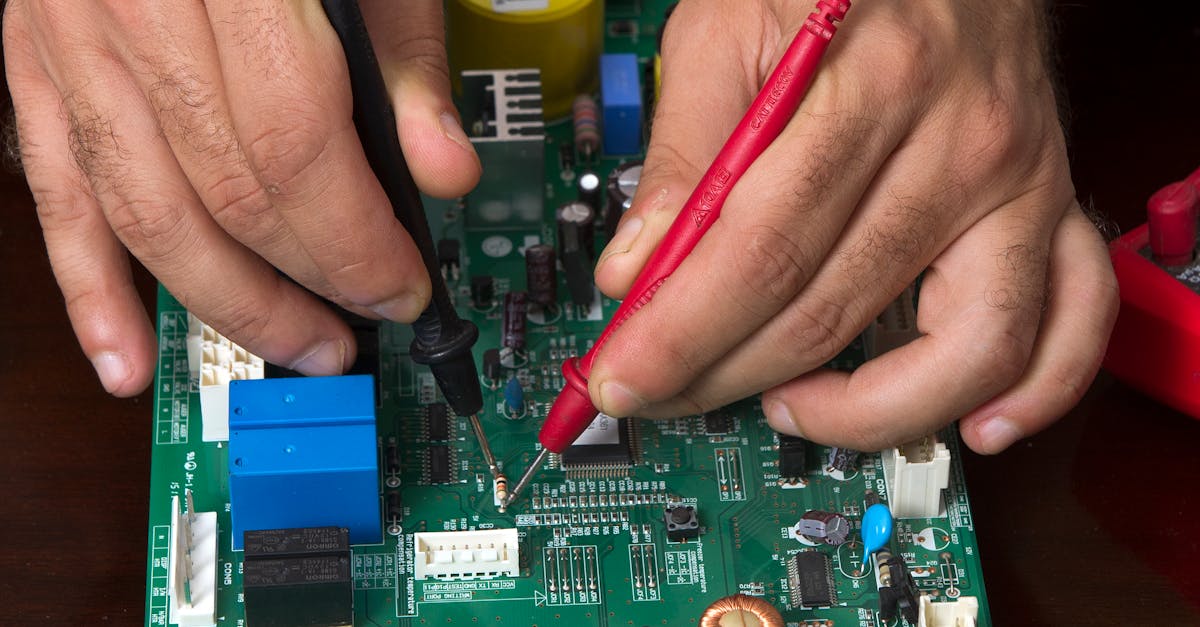
Table Of Contents
Cleaning and Maintenance Tips
Regular cleaning of an electric kettle is essential for maintaining its performance and extending its lifespan. Mineral deposits can accumulate over time, especially in areas with hard water. To prevent these build-ups, it is beneficial to rinse the kettle after each use and empty it completely. For deeper cleaning, a mixture of equal parts water and white vinegar can be boiled inside the kettle, then left to sit for about thirty minutes before rinsing thoroughly. This process not only removes limescale but also helps eliminate any unpleasant odours.
Routine maintenance checks should also be part of your care regimen. Inspect the power cord and plug for any signs of wear or damage, as this can pose safety risks. Ensure that the base of the kettle is free from any spills or debris to maintain good electrical contact. Keeping the exterior clean, with a soft cloth and mild detergent, will not only keep it looking good but also help prevent dust from entering the kettle’s internal components. Regular attention to these aspects will ensure optimal operation and efficiency of your kettle.
Effective Descaling Techniques
Mineral buildup can significantly impact the performance and longevity of your kettle. Regular descaling helps to maintain optimal functionality. To effectively descale, a mixture of equal parts of white vinegar and water can be used. Simply fill the kettle with this solution, bring it to a boil, and then allow it to sit for about an hour. After the soaking period, empty the kettle and thoroughly rinse it several times with clean water to remove any lingering vinegar taste.
Alternatively, many commercial descaling products are available specifically designed for electric kettles. Follow the manufacturer's instructions carefully for the best results. When using these products, ensure the kettle is empty before adding the descaling solution. Once the cycle is complete and the kettle has been rinsed, you should notice improved performance and taste in the water heated. Regular maintenance not only enhances the kettle's efficiency but also extends its overall lifespan.
Dealing with Automatic Shut-Off Malfunctions
One common issue with electric kettles is the automatic shut-off function activating prematurely. This can happen due to lingering scale build-up or internal malfunctions. Regular maintenance and cleaning can enhance the kettle’s performance and prevent such issues. Conducting a thorough inspection of the kettle and ensuring the base and connections are clean can often resolve these malfunctions.
Should the problem persist, a simple reset can sometimes restore the kettle's proper functioning. Unplug the kettle from the wall socket and allow it to cool down completely. After a few minutes, plug it back in and test the automatic shut-off feature again. If the kettle continues to malfunction, it may require professional repair. In some cases, purchasing a new kettle could be the most practical solution.
Resetting the Kettle
Electrical appliances sometimes require a reset to restore normal functionality. Most kettles come equipped with a dedicated reset button located at the base or within the battery compartment. In cases where the kettle lacks this feature, simply unplugging it from the wall socket can also do the trick. Allowing the kettle to sit unplugged for several minutes helps to release any residual power, which may resolve minor glitches affecting its operations.
After restoring power, plug it back in and test its functionality. If the kettle doesn’t start or continues to exhibit problems, a more thorough examination of the appliance may be necessary. Checking for loose connections or inspecting the power cord for damage can be beneficial. Sometimes, persistent issues may indicate the need for professional repair, particularly if the kettle is still under warranty.
Fixing Indicator Light Failures
One common issue with electric kettles is a faulty indicator light, which can cause frustration during use. The electrical connections may become loose or corroded over time. It's essential to inspect these connections carefully. If you notice any corrosion, cleaning the connections with a bit of vinegar or a specialised electrical contact cleaner can help restore their functionality. Ensure the kettle is unplugged before attempting any cleaning to prevent electrical hazards.
Another potential reason for the indicator light failure may relate to the internal components of the kettle. In some cases, the bulb or LED may have burned out, necessitating a replacement. Accessing this component may require disassembling the kettle, which should be done with caution. Always refer to the manufacturer’s manual for guidance on disassembling and assembling your kettle. If DIY repairs seem too daunting, seeking assistance from a professional or contacting the manufacturer may be advisable.
Diagnosing Electrical Connectivity
Electrical connectivity issues can often lead to frustrating situations with electric kettles. The first step in diagnosing these problems involves checking the power source. Ensure that the outlet is working correctly by testing it with another device. If the outlet is functional, inspect the kettle’s power cord for any visible damage such as fraying or exposed wires. Damage can disrupt the flow of electricity and result in your kettle refusing to turn on.
If the power cord appears intact, take a closer look at the kettle’s internal components. This may require carefully disassembling the kettle, but always ensure it is unplugged beforehand. Examine the terminal connections and soldering points for looseness or corrosion. Cleaning these contacts can sometimes restore functionality. If problems persist, it may be necessary to consult a professional or consider replacement options.
FAQS
How often should I clean my electric kettle?
It is recommended to clean your electric kettle every few weeks, depending on usage. Regular cleaning helps prevent mineral build-up and ensures optimal performance.
What is the best way to descale my electric kettle?
To descale your electric kettle, mix equal parts of water and white vinegar or lemon juice. Fill the kettle, boil the mixture, and then let it sit for about 15-20 minutes before rinsing thoroughly.
What should I do if my kettle won't turn on?
First, check if the kettle is plugged in and if the power outlet is functioning. If it still doesn’t turn on, try resetting the kettle by unplugging it for a few minutes before plugging it back in.
Why does my kettle keep turning off automatically?
Automatic shut-off malfunctions can occur if the kettle is overheating, or if there is a fault in the internal components. Resetting the kettle or checking for any blockages might help resolve the issue.
How can I troubleshoot a faulty indicator light on my kettle?
If the indicator light is not working, first check the power connection. If the kettle is functioning but the light is still off, it may indicate a fault in the electrical connectivity, which may require professional repair.
Related Links
Repairing Microwave Oven MalfunctionsDiagnosing Issues with Clothes Dryers
Dealing with Faulty Vacuum Cleaners
Handling Common Problems in Coffee Machines
Addressing Air Conditioning Cooling Problems
Understanding Washing Machine Noise Issues