Guide to Resolving Issues with Coffee Machines
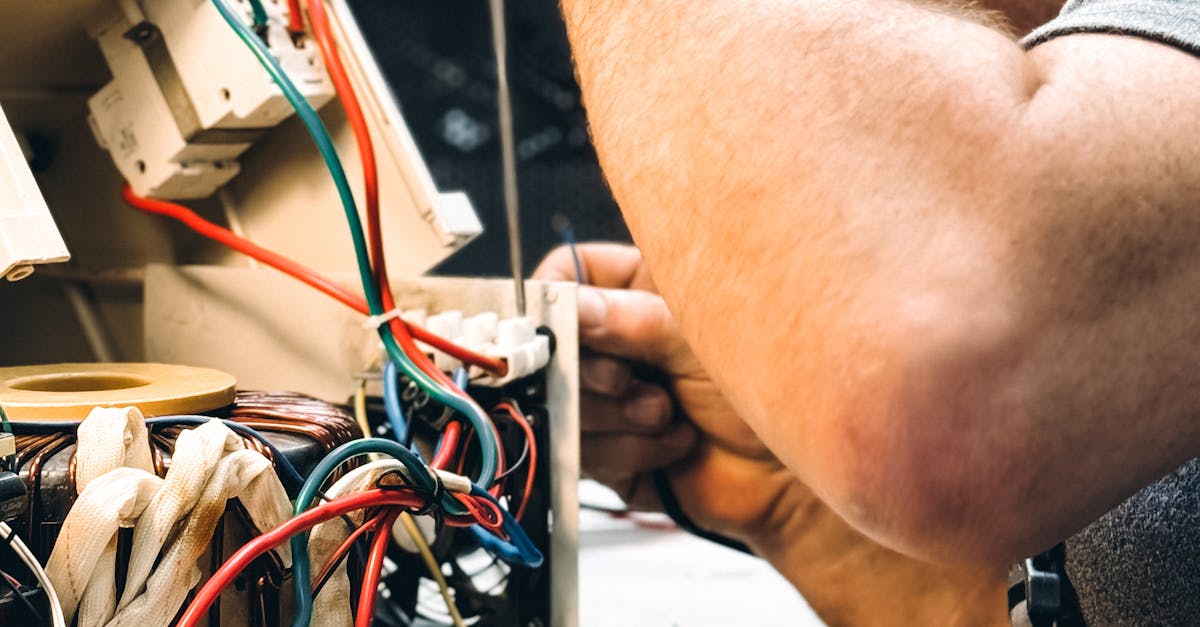
Table Of Contents
Fixing Leaks and Drips
Identifying the source of leaks in coffee machines can often be a straightforward process. It may stem from various areas such as the water reservoir, brew head, or even the drip tray. Once the specific area is determined, it is essential to check for cracks or a loose connection. Tightening screws and seals can sometimes be a quick fix. In cases where the water reservoir is damaged, replacement may be necessary to prevent further leaks.
Regularly inspecting the machine can help in addressing potential issues before they escalate. Ensure that connections are secure and all components are properly aligned. If water continues to leak despite your efforts, using a towel to dry the machine can help monitor any new leaks. Each observation aids in understanding how the coffee machine operates, allowing you to mitigate issues proactively.
Common Leak Sources and Solutions
Leaking coffee machines can often be traced back to a few common sources. One frequent culprit is a worn-out gasket, which can fail to create a proper seal between components. Additionally, loose or damaged water lines may contribute to unwanted drips. Inspecting these areas regularly helps identify wear and tear before they escalate into larger problems.
Another potential source of leaks is the brew basket or filter area, where coffee grounds can sometimes block drainage. Ensuring that the basket is correctly seated and clean can eliminate this issue. Regularly checking the drip tray is also crucial, as an overflowing tray may lead to excessive moisture around the machine. Addressing these minor issues promptly can prevent more significant damage and maintenance problems.
Maintenance Tips for Longevity
Regular cleaning is essential for maintaining the performance of your coffee machine. Residue build-up can lead to blockages and alter the taste of your brew. Aim to clean removable parts like the brew group and water reservoir weekly. Descaling should be conducted every one to three months, depending on the hardness of your water. Use a specialised descaling solution to avoid causing damage to the machine's components.
Additionally, paying attention to the machine's settings can extend its lifespan. Avoid overloading the coffee grounds, as this can strain the brewing system. Ensure the machine is switched off when not in use to prevent unnecessary wear on components. Regularly check for any signs of wear, such as frayed cords or loose connections, as these can lead to bigger issues down the line.
Recommended Cleaning Schedule
Regular cleaning is essential for the longevity and performance of your coffee machine. A good rule of thumb is to perform a basic clean after each use. This involves rinsing the brew basket and carafe to prevent residue buildup. Descaling should be done at least once a month, especially if you live in an area with hard water. For machines with milk frothers or steam wands, additional cleaning immediately after use will help maintain their functionality and hygiene.
In addition to daily practices, a comprehensive clean of the machine should be scheduled every few months. This includes dismantling non-electrical components for deep cleaning and checking seals or gaskets for signs of wear. Regular attention to your coffee machine will not only improve the taste of each cup but also enhance the overall brewing experience. Adhering to a consistent cleaning routine can prevent more significant issues down the track, ensuring that your coffee maker remains in tip-top condition.
When to Seek Professional Help
Every coffee machine can encounter problems that are beyond the scope of simple fixes. If you notice persistent issues such as unusual noises, erratic brewing cycles, or a complete failure to operate, it may be time to call in a professional. Attempting to resolve complex issues without the proper experience and tools can lead to further damage or even safety hazards.
Another sign that professional intervention is necessary includes the presence of electrical faults, such as burnt smells or exposed wires. These problems can compromise both the functionality of the machine and the safety of its users. When any aspect of your coffee machine poses potential hazards or seems to require advanced knowledge for resolution, seeking expert help is the best course of action.
Signs Your Coffee Machine Needs Expert Attention
Unusual noises during operation can indicate that your coffee machine requires professional attention. Grinding, rattling, or hissing sounds may signal issues with internal components or the water pump. These irregular sounds are often a sign that something isn't functioning correctly and can lead to more significant problems if left unaddressed.
Inconsistent brewing temperatures can also suggest the need for expert help. If your coffee is coming out lukewarm or too hot, the brewing system may have malfunctions affecting its ability to regulate temperature. Poor extraction, leading to bitter or underwhelming coffee, further indicates that your machine is not performing to standard and needs a thorough inspection by a qualified technician.
FAQS
What are the most common sources of leaks in coffee machines?
Common sources of leaks include worn-out seals, cracked water reservoirs, and loose connections. Regular inspection can help identify these issues early.
How often should I clean my coffee machine?
It's recommended to clean your coffee machine at least once a month. However, if you use it daily, a more frequent cleaning schedule can help maintain optimal performance.
What signs indicate that my coffee machine needs professional repair?
Signs that your coffee machine may need professional attention include persistent leaks, strange noises during operation, or if it fails to brew coffee altogether.
Can I perform maintenance on my coffee machine myself?
Yes, you can perform basic maintenance tasks such as cleaning the brew basket, descaling the machine, and checking for leaks. However, for complex issues, it's best to consult a professional.
How can I prolong the lifespan of my coffee machine?
To prolong the lifespan of your coffee machine, follow a regular cleaning schedule, use filtered water, avoid overfilling the water reservoir, and store it properly when not in use.
Related Links
How to Address Irregular HVAC System PerformanceA Step-by-Step Guide to Diagnosing Common Fridge Problems
Troubleshooting Electrolux Appliance Error Codes
Understanding Dishwasher Drainage Problems
Identifying and Fixing Leaks in Refrigerator Water Lines
Fixing Unresponsive Microwave Controls
Troubleshooting Broken Washing Machine Spin Cycles
Solving Drying Issues in Your Tumble Dryer